Stop Sleepless Nights: Learn How to Reduce the Risks of Sleep Apnea & Sleep-Disordered Breathing
This article does not constitute medical advice. It compiles some of the firsthand accounts I’ve seen and experienced. If you have any issues that concern you, please speak with your doctor.
Sleep studies are incredibly valuable, and it’s extremely difficult to figure out any real sleep-related issues without talking with your doctor and having a sleep study.
What is Sleep-Disordered Breathing?
Sleep-disordered breathing(SDB) is a catch-all term for disorders like Obstructive Sleep Apnea(OSA), Obstructive Hypopneas(OH), and Central Sleep Apnea.
We can divide some of the main forms of SDB into two categories: Central, and Obstructive. Central apneas & hypopneas involve a pause in breathing & a pause in effort. Put simply, your brain is not sending any signals to trigger a breath. It’s as if you were holding your breath, or not initiating an inhale.

Obstructive apneas, on the other hand, involve a pause in breathing while your body is still making an effort to breathe.
You can think of OHs as baby OSAs. An OH is a smaller reduction in breathing, while OSA is either a complete or nearly complete cessation of breathing.
We’re going to talk exclusively about obstructive events. Obstructive events are tallied up at the end of a sleep study and are added up into an Apnea-Hypopnea Index(AHI). This refers to how many obstructive events you have per hour of sleep. An AHI of <5 is typically considered normal. 5-15 is considered mild, 15-30 would be moderate and >30 would be severe.
What are the signs?
Signs of obstructive sleep apnea and obstructive hypopneas can include:
Snoring, morning headaches, sore throat, dreams of choking or drowning, and having to urinate during the night.
How do obstructive events hurt us?
An easy way to discuss the damage obstructive events cause is by looking at the tell-tale signs. Waking up with a headache can be a sign of hypoxia; a lack of oxygen getting to the brain.
Dreams of choking, or drowning can be the real-life choking sensation presenting itself in your dreams.
And having to urinate during the night can be caused by the pressure build-up pressing against your bladder. This pressure can do other dangerous things, by putting stress on the heart. For some people with severe apneas, their heart rate can spike throughout the night, as if they were engaging in intense exercise.
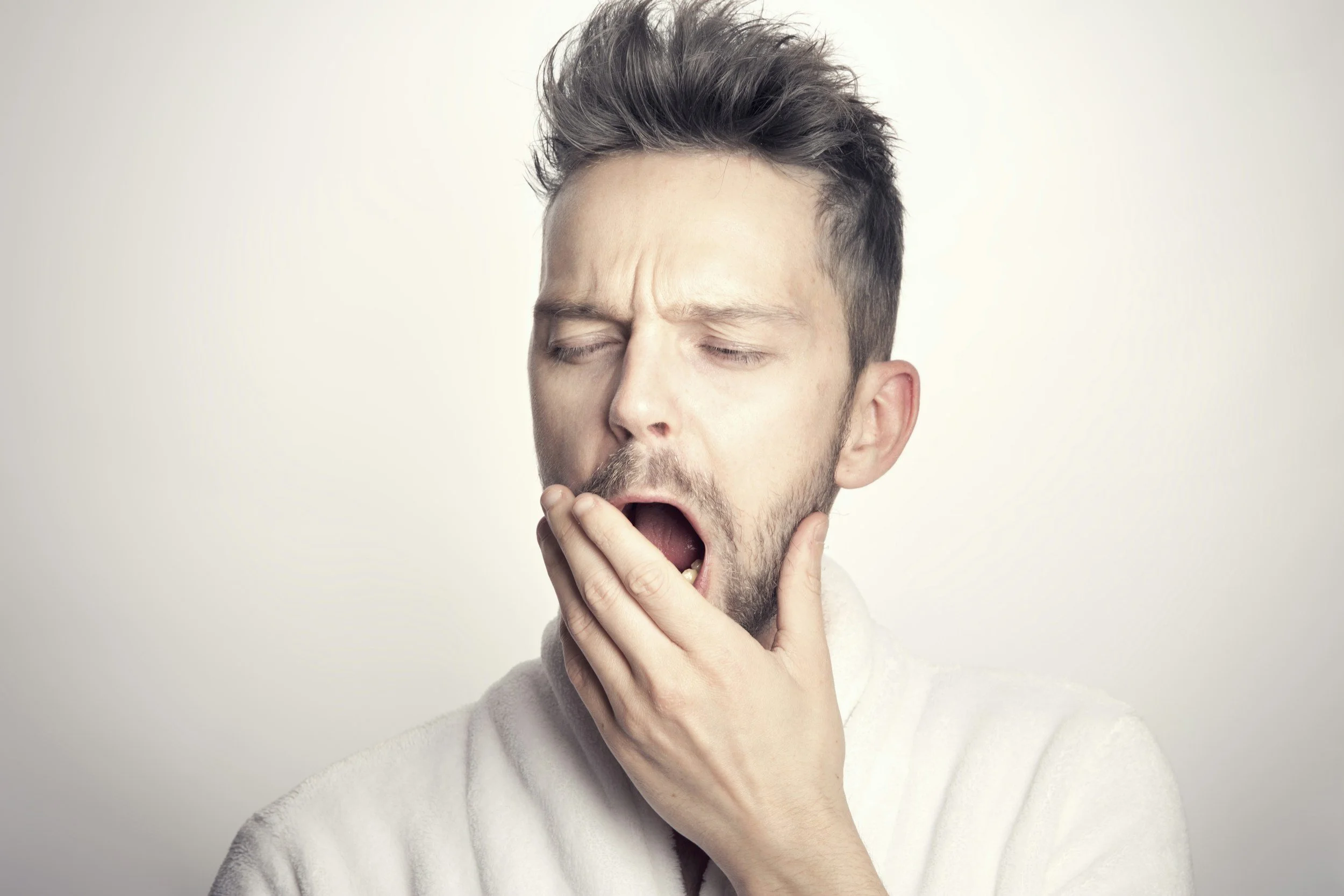
In general, obstructive events can lower our quality of sleep, causing us to feel tired during the day, but it can also harm our brain and heart, putting us at risk of other scary illnesses like hypertension and strokes.
How do we fix Sleep-Disordered Breathing?
Let’s start with the bad news. Some people’s anatomy predisposes them to SDB. I’ve had physically fit patients, who had a healthy body weight, and still had severe SDB, specifically OSA. For people like this, medical intervention seems to be the only option. Whether that is CPAP, a mandibular advancement device (MADs), or the newer and less tested, Inspire-like devices, they’ll likely need something to help keep their airway open.
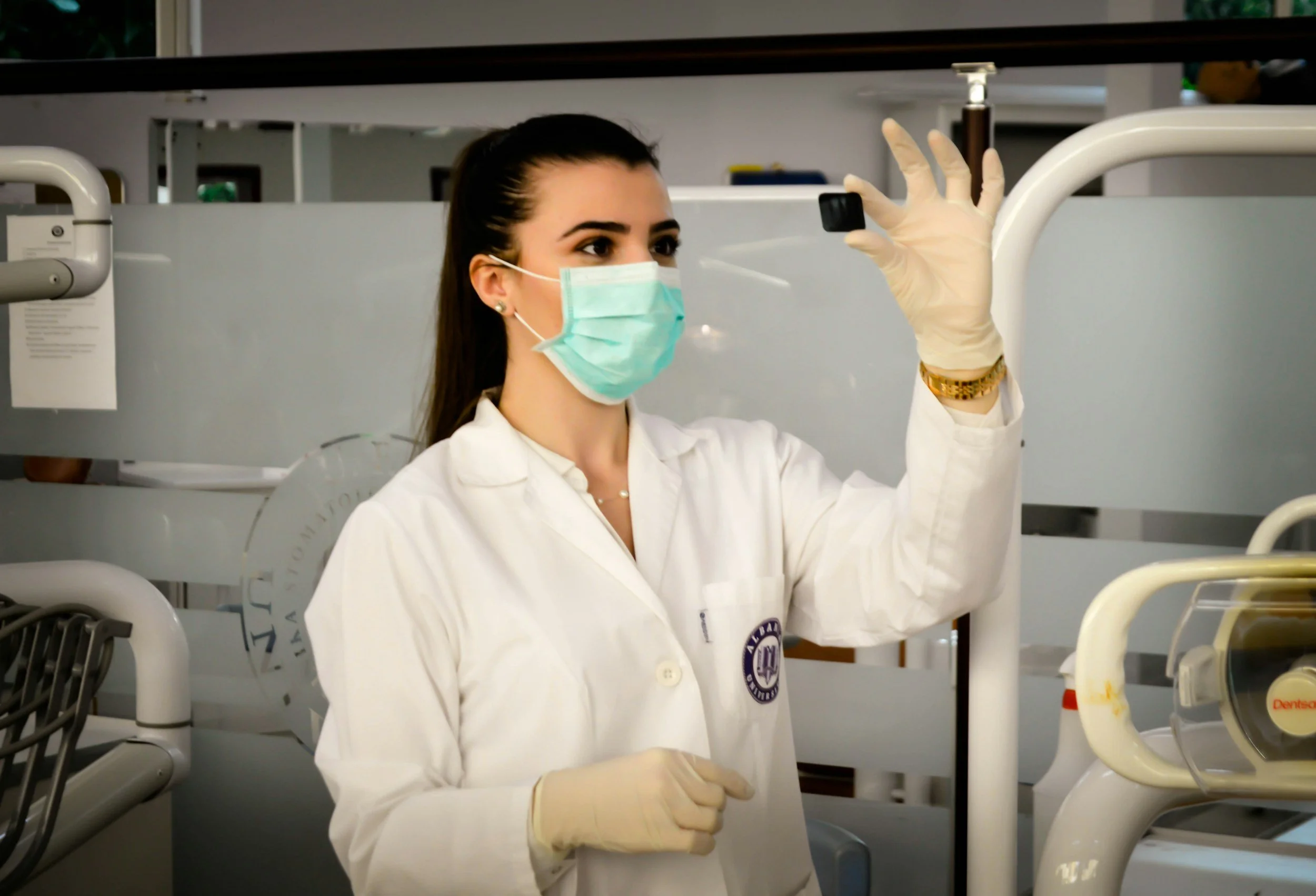
What about surgery?
There are surgical options, but from my experience, they aren’t commonly performed on adults.
For children with OSA, it is common to remove their tonsils and adenoids. I’ve seen patients come back after having a T&A performed. Typically their SDB has drastically improved. For adults, I believe this procedure is less common because it’s harder to recover from having a T&A as you age. Also, by the time you are an adult, it seems like the other soft tissue in the throat, and weight tend to be the driving factors of SDB.
There are other procedures, like a Functional pharyngoplasty, also known as a Uvulopalatopharyngoplasty. I have almost no experience with these, so I’ll refrain from commenting on them. It’s worth mentioning, just so you’re aware of all your options.
However, for the majority of people, there are two pieces of “low-hanging fruit” that people can take advantage of. First, people can endeavor to sleep on their side. When people sleep on their backs, also known as the supine position, they are more likely to have obstructive events. This is because the soft tissue in the throat is more likely to give way to gravity. This becomes even more of an issue when people are supine and enter REM sleep. Why is that?
In REM sleep, our body already loses a lot of muscle tension, most likely to keep us from acting out our dreams. When this happens, it amplifies our susceptibility to OSA. if we have OSA, it tends to be much worse when we’re on our back, and it’s even worse when we enter REM.
So an easy fix is just to roll to our side. Multiple medical devices can help people stay off their backs. Tennis ball T-shirts are one. Something like the Zzoma positional device may be another option.
Techniques that can be used at home, would be to sleep with a stack of pillows behind you or to sew your own tennis ball t-shirt.
The second piece of low-hanging fruit would be weight loss. Obesity has a large effect on SDB, specifically the obstructive types like OSA and Obstructive hypopneas.
I’ve had patients who had severe sleep apnea in the past. They refused to wear CPAP and instead opted to lose weight. When they returned for another sleep study in the future, their obstructive events were drastically lowered, some to the point where they would not qualify for CPAP any longer. Weight loss isn’t a magic pill, however. It’s important to remember what was said earlier. Some extremely fit, lean people still have severe SDB. Sometimes, some factors are outside of our control, and medical intervention is our only option. Talking with a primary care physician, and having a sleep study as needed, is the only way to really verify whether you have SDB, or if it's improving or not.
If you and your doctor believe you may have sleep apnea, you can talk with them and schedule a sleep study. After your doctor analyzes the results, ask if they believe weight loss, or sleep on your side would help alleviate your symptoms. You may even use CPAP until you’ve lost a decent amount of weight. You could then ask your doctor if it would be wise to have another study, to see if you’ve reduced the severity of your apneas, to see if you still need cpap.